The universe (Latin: universus) is all of space and time and their contents, including planets, stars, galaxies, and all other forms of matter and energy. The Big Bang theory is the prevailing cosmological description of the development of the universe. According to this theory, space and time emerged together 13.787±0.020 billion years ago, and the universe has been expanding ever since the Big Bang. While the spatial size of the entire universe is unknown, it is possible to measure the size of the observable universe, which is approximately 93 billion light-years in diameter at the present day. Let's find out more.
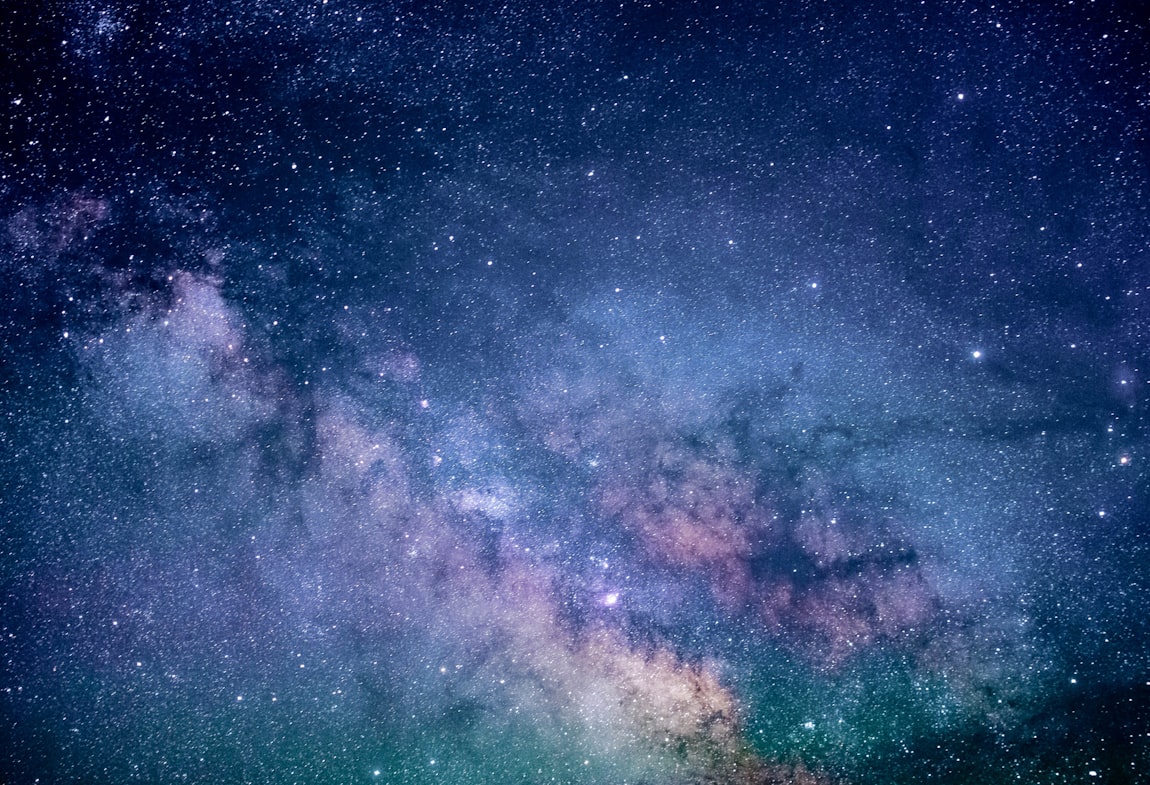
According to the Big Bang theory, the energy and matter initially present have become less dense as the universe expanded. After an initial accelerated expansion called the inflationary epoch at around 10−32 seconds, and the separation of the four known fundamental forces, the universe gradually cooled and continued to expand, allowing the first subatomic particles and simple atoms to form. Dark matter gradually gathered, forming a foam-like structure of filaments and voids under the influence of gravity. Giant clouds of hydrogen and helium were gradually drawn to the places where dark matter was most dense, forming the first galaxies, stars, and everything else seen today.

宇宙(英語:universe,拉丁語:universus)是所有時間、空間與其包含的內容物所構成的統一體;它包含了行星、恆星、星系、星系際空間、次原子粒子以及所有的物質與能量,宇指空間,宙指時間。目前人類可觀測到的宇宙,其距離大約為93 × 109光年(~28.5 × 10⁹秒差距),最大為27,160百萬秒差距;而整個宇宙的大小可能為無限大,但未有定論。物理理論的發展與對宇宙的觀察,引領著人類進行宇宙構成與演化的推論。
大爆炸理論是當前描述宇宙發展的宇宙學模型。ΛCDM模型推測宇宙年齡為137.99±0.21 億年。大爆炸產生了空間與時間,充滿了定量的物質與能量;當宇宙開始膨脹時,物質與能量的密度也開始降低。在初期膨脹過後,宇宙開始大幅冷卻,引發第一波次原子粒子的組成,稍後則合成為簡單的原子。這些原始元素所組成的巨大星雲,藉由重力結合起來形成恆星。

「宇宙」という語は一般には、cosmos, universe, (outer) space の訳語として用いられる。 英語の cosmos は古代ギリシア語の κόσμος に由来する。κόσμος は原義では秩序だった状態を指すが、ピタゴラスによって世界そのものを指す言葉としても用いられるようになった。「宇宙」は後者の意味に対してあてられる。一般には universe と同義だが cosmos は原義より秩序と調和のあることを含意する。「時間、空間内に秩序をもって存在する『こと』や『もの』の総体」としての宇宙 (cosmos) に関してはコスモスの項も参照。英語 universe はラテン語 universum に由来し、すべての物と事象の総体を意味する。

ビッグバン理論を構成する宇宙論的パラメータに関する仮説はΛ-CDMモデル(Lambda-CDM model)としてまとめられている。だが、これについては異論もある。もしこのモデルを採用するならば、宇宙は原子(バリオン)からなる通常の物質(matter)、ダークマター(dark matter)、そしてダークエネルギー(dark energy)から構成される、とされる。現代の物理学で記述できる通常の物質が占める割合は5%程度であり、ダークマター・ダークエネルギーからなる残りの95%は現在も正体がわかっていない。各成分の構成比率は時間とともに変化しており、現在はダークエネルギー優勢時代(dark energy-dominated era)と推定され、ダークエネルギーの影響により宇宙の膨張が以前より加速している(宇宙の加速膨張)、とされている。
라틴어 우니베르숨(universum)은 유럽의 여러 언어에서 우주를 가리키는 낱말의 어원이 되었다.한편, 고대 그리스어 코스모스(κόσμος) 역시 우주를 가리키는 낱말로서 사용된다. 코스모스는 라틴어의 우니베르줌이 단순히 “온누리”를 뜻하는 것과 달리 질서를 갖는 체계로서의 우주를 뜻한다는 점에서 다른 언어로 대체하기 어려운 독특한 개념이다. 천체를 포함한 우주 전체를 코스모스로 처음 지칭한 사람은 피타고라스이다.
대폭발은 우주의 처음을 설명하는 우주론 모형으로, 매우 높은 에너지를 가진 작은 물질과 공간이 약 137억 년 전 거대한 폭발을 통해 우주가 되었다고 보는 이론이다. 이 이론에 따르면, 폭발에 앞서 오늘날 우주에 존재하는 모든 물질과 에너지는 작은 점에 갇혀 있었다. 과학자들이 T=0이라고 부르는 폭발 순간에 그 작은 점으로부터 물질과 에너지가 폭발하여 서로에게서 멀어지기 시작했다. 이 물질과 에너지가 은하계와 은하계 내부의 천체들을 형성하게 되었다. 이 이론은 우주가 팽창하고 있다는 에드윈 허블의 관측을 근거로 하고 있다. 또한 그는 은하의 이동 속도가 지구와의 거리에 비례한다는 사실도 알아냈다. 이는 은하가 지구에서 멀리 떨어져 있을 수록 빠르게 멀어지고 있음을 의미한다.
Questions? Email at abc@example.com